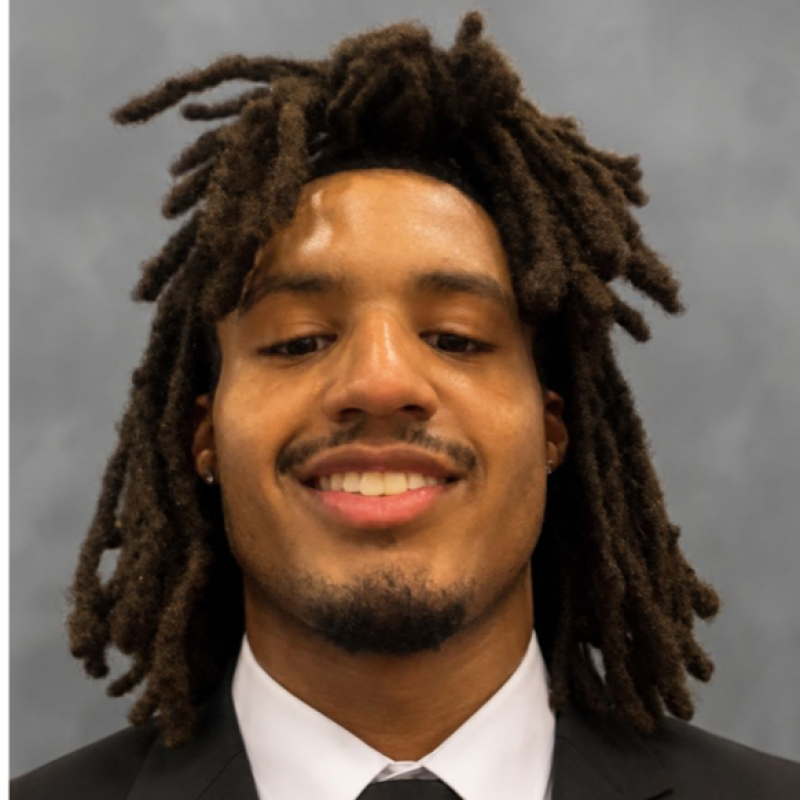
I like figuring out where things break and why. That curiosity is what got me into product, and it's what I spend most of my time on, whether that's at Lenovo, leading SohAI, or running point on the basketball court.
I'm a Computer Science student at Elmhurst University, currently spending my summer as a Product Management intern on Lenovo's OEM Portfolio team in Research Triangle Park. I'm also the founder of SohAI, a small AI automation business that earns $1k monthly that I started last fall while in school, and I play point guard for Elmhurst's NCAA Division III basketball team.
I have a knack for pattern recognition, noticing edge cases, and finding pain points and that's what led me to start SohAI. It's also the same instinct I bring into product work. I'm drawn to roles where I can combine that curiosity and data, and build something that moves the needle. I find that to be deeply satisfying.
My family is from Cameroon, and growing up my first language was French, with Spanish as my third. I was lucky enough to travel widely growing up, visiting countries on every continent but Asia. My favorite trip outside of visiting family in Cameroon was Patagonia. There's something about being that far from everything that puts life in perspective.
Travelling and experiencing other cultures has shown me the value of diversity and different perspectives. I've learned that the only reason I am where I am is chance, and that there are plenty of people who are just as special as I am, just without the opportunity. That drives me each day to create change and to help afford others with opportunities similar to the ones I've had. Often we judge others on decisions, but we don't always know the choices they faced. Walking through life with that lens lets me appreciate others for who they are, what they bring to the table, and the potential within them.
Outside of school, work, and basketball, I'm usually reading, journaling, or adventuring.
Patagonia, with my mother
Like I said, I've always had a knack for noticing edge cases. Where a process breaks down, where a pain point shows up, where something that looks fine on paper doesn't actually work for the person using it. Customers don't care how advanced your technology is. They care whether it solves their problem.
Building SohAI taught me that lesson over and over. I learned it the hard way when presenting to prospective dental clients. I had built an AI receptionist and chatbot for after-hours customers, and when I walked into their office I found myself selling them on the conversational ability of the receptionist, how fast it was, how cheap it was to operate. What I learned was that they could not care less about any of that. They did not understand much of it, and honestly it did not matter. What mattered was the why. Why should we hire this product to do a job for us?
So in my next meeting, I came back explaining how not using my product was costing them and I had charts to show it. For a quick breakdown, the average dental office is open anywhere between 35-45 hours a week and closed for around 120-150hrs a week. So, during those hours, say they have four customers calling each week looking to book or with emergencies, that turns into 16 a month, which turns into 192 customers a year you're missing by not using my services.
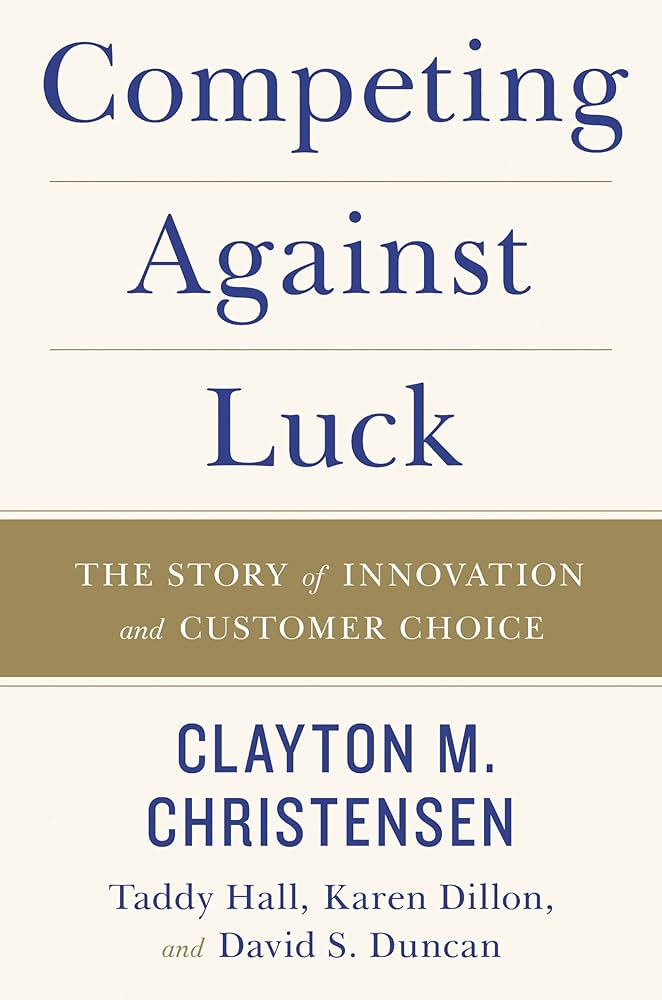
The best products are not the most complicated ones. They are the ones that consistently get the job done. People hire Netflix, wine, firepits, so they can have a relaxing night with friends. People hire a tool so a task gets off their plate. As long as the job gets done, reliably and consistently, that is what people pay for.
A lot of this also comes from basketball. As a point guard, I am the one running the offense, reading the floor, and making sure everyone around me is in a position to succeed. I have always been someone people depend on to get things done under pressure, and I genuinely like that responsibility. I see pressure as a privilege. That translates directly into product, where so much of the job is about understanding people, aligning everyone around a goal, and making good calls with ambiguous information.
I came into my Lenovo internship thinking PM was mostly roadmaps and features. What I found is that it is really about understanding people, the jobs they are trying to get done, and making thoughtful tradeoffs so the right thing gets done, whether that means a director changes how they start their morning or a hardware team rethinks a spec sheet.
I spent this summer on Lenovo's OEM Portfolio team, and the project I'm most proud of started as a side conversation. In my first week of discovery interviews, my manager mentioned that keeping up with his inbox between back-to-back meetings was his single biggest daily frustration, and that the tools he'd tried before just gave him garbage.
I built an AI agent that reads incoming mail and ranks it by a composite importance score, sender seniority, explicit priority flags, and escalation language, so the most urgent items surface first. I didn't just ship it to my manager. Word spread across the team, and it ended up getting adopted organically by more than eight director-level stakeholders, including my manager, who now uses it specifically before and after extended time away from the office to catch up fast.
I noticed a second pattern doing that same discovery work: the team was manually translating recurring product change requests from Jira into formal product requirements, a repetitive step that ate hours every time it came up. I built and deployed an agent that automates that conversion against the team's own criteria, then trained the rest of the team to build and adapt similar tools themselves rather than just handing them a black box.
I was also assigned a market and competitive analysis for a hardware product line, which I presented directly to senior leadership. Midway through, a lab teardown and conversations with the hardware test engineers overturned my original hypothesis. I had assumed performance specs and certifications were the deciding factor for customers. The real constraints turned out to be battery life, charging reliability, and how the device actually felt in someone's hand. I rebuilt the recommendation around what customers actually cared about instead of what looked good on a spec sheet.
Outside of assigned work, I put together and delivered a live AI literacy workshop for the team, including a real-time agent-building demo where I troubleshot issues on the spot rather than just walking through slides. Three people who attended went on to pursue further AI training with their managers and later built and shipped their own automations independently. I also built a second internal agent that compares prospective software partners against Lenovo's existing portfolio to flag overlap before a partnership moves forward, which shipped and is in active use.
SohAI started with a simple question. How can small businesses use AI to save time and grow without needing a technical background?
Before building anything, I spent weeks talking to business owners across different industries. Through more than 20 customer discovery interviews, I learned something that changed how I think about products. Customers do not care how advanced your technology is. They care whether it solves a problem they actually have.
Those conversations helped me find a much stronger opportunity in real estate than healthcare, so I pivoted the business before investing significant development time. Within 30 days of launching, SohAI reached $1,000 in monthly recurring revenue.
Today, I have built automated content marketing systems, AI receptionist workflows, lead qualification systems, and business automation tools. A real estate client directly attributed five home sales to the work I have done for her.
At Move For Hunger, I worked on using data to help the organization better understand and engage its donors.
One project started with a simple hypothesis. Personalized thank you letters could improve donor retention. Using Python to analyze more than 2,000 donor records, I helped test the idea through a pilot program and found an 18% improvement in retention.
I also worked with over 5,000 donor records to find patterns among high value supporters. Using clustering techniques, I helped uncover more than 100 high potential donor prospects and improved targeting accuracy by 25%.
What I enjoyed most was seeing how data could tell a story. Numbers by themselves are not meaningful. The real value comes from turning data into decisions that help people get better outcomes.
Started with a question about late-game basketball decisions. After analyzing more than 3,000 possessions and running over 10,000 Monte Carlo simulations, I found evidence that teams could improve win probability by 8 to 10% in specific late-game situations. This research earned me a $20,000 scholarship. The biggest takeaway was not the result itself, it was learning how data can challenge assumptions that feel obvious on the surface.
Built a predictive model with 33 features that hit about 72% accuracy. The more interesting finding was that betting markets were far more efficient than I expected, which made a real edge hard to find even with a solid model. That pushed me to rethink the product entirely, away from predictions and toward helping people understand probability, decision making, and risk.
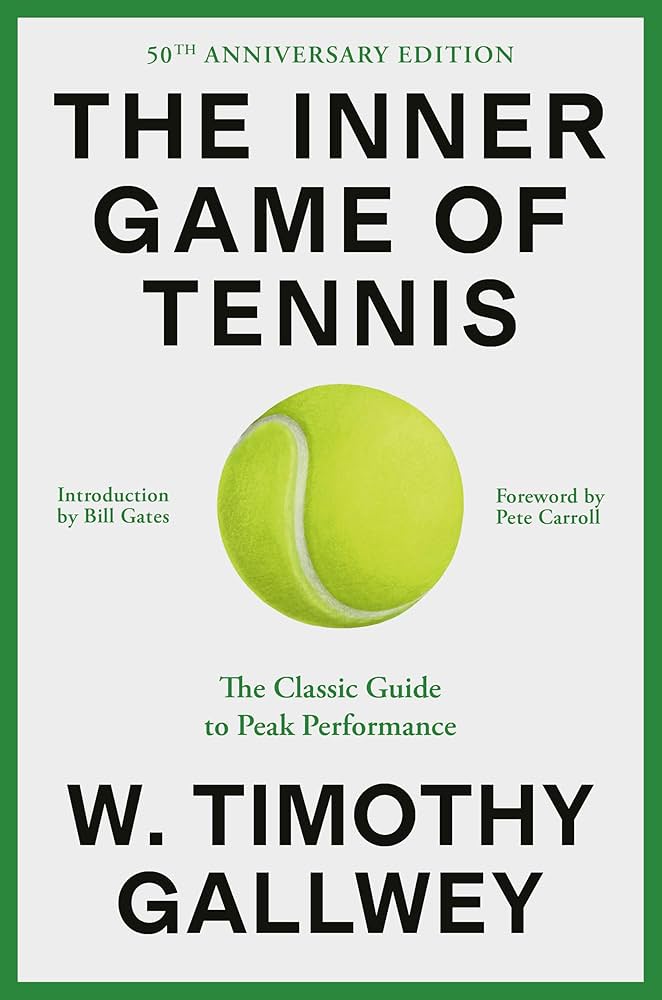
Books that have shaped how I think about products, people, and the world.
Always happy to talk product, AI, basketball, or anything in between. Feel free to reach out.